Cooking Country Ribs In a Wood-Fired Oven
Blog Written By Cate Conway
Wood-fired cooking teaches you as you go. Case-in-point, learning to cook country ribs in a wood-fired oven is a new dimension in the craft.
That’s the beauty of cooking in a Maine Oven Craft oven—it's not just about mastering technique. It’s about experimenting, adjusting, and discovering what the fire wants to do with you. This story is one of those moments: ribs on the hearth, lessons learned, and a family meal to remember.
For many of my young adult years I was vegetarian. I became adept at cooking vegetarian and vegan meals filled with vegetables, beans and grains, but I never had reason to learn how to cook meat. As I reintegrated meat into my diet it was generally an ingredient in a dish, but not a main part of a meal. To this day, cooking cuts of meat feels a bit foreign to me.
Last year our friends at One Drop Farm raised a pig for us. One day late last fall we received three banana boxes full of various pork cuts. It was time to figure out this meat cooking business. I'm still working on it. The less familiar cuts remain in the freezer while the more common ones are already consumed. As the summer fades away and the time for more boxes to fill our freezer rapidly approaches, I decided it's time to figure out how to cook up those country ribs. What better way than in the wood fired oven, of course. And we'd need a side to fill out the meal. New potatoes had recently hit the farm stands, so the menu was decided.
At the grocery store I picked up a couple of jars of barbeque sauce. Generally I would make a marinade for such a meal from scratch, but on this occasion I wanted to focus on the process and worry less about the ingredients.
Scott had the wood burning oven fired when the kids and I arrived at the shop so we were able to jump right into the cooking. The potatoes were cut and tossed with some onions, butter, salt and pepper in a cast iron skillet. They went in the wood fired pizza oven first. The fire was pretty hot so I decided to put a lid on the skillet to temper the heat and prevent scorching. Bad idea. The potatoes steamed rather than roasting. I like potatoes to brown up and get a bit crunchy. Learn as you go… They weren't bad by any means, just not as good as they could have been.
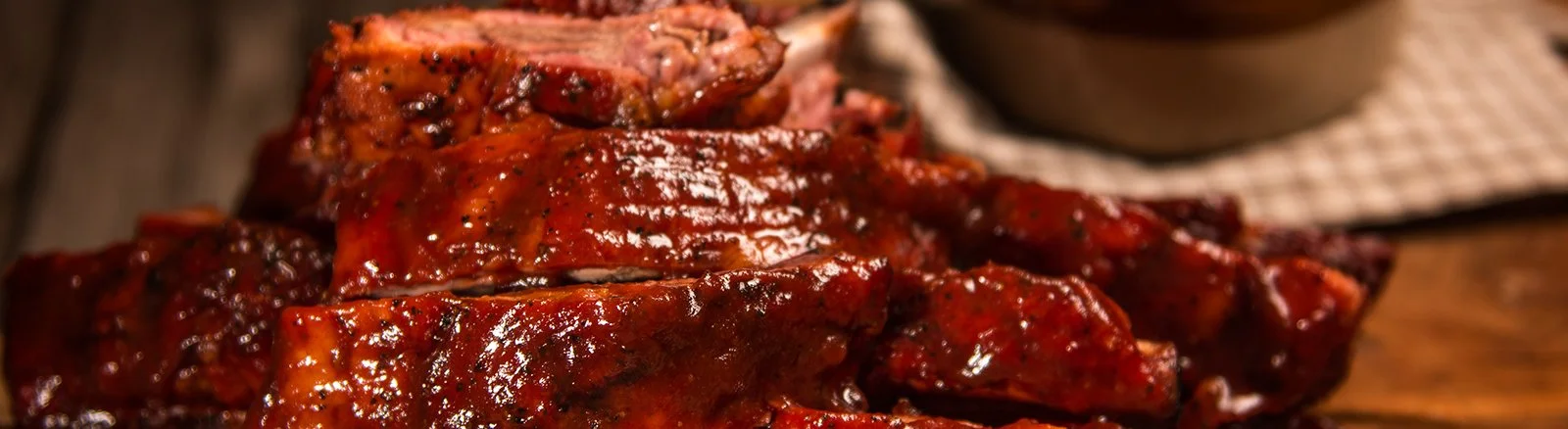
I cooked the ribs in the wood fire oven, right on the hearth to start, searing both sides for a couple of minutes to lock in the juices. Then I placed them in another cast iron skillet with some extra sauce and cooked them some more. It's one of those wood fired oven recipes that's simple but unforgettable.
Mmmmmm. Tender, juicy, delicious! Next time I'll cook them entirely on the hearth. I wonder what the difference will be?
Easy clean up of the wood fired oven floor. Just pull the coals up, spread them over the mess and let it sit for a bit.
Voila! The floor is clean once again.
Cooking with Curiosity
You don’t need to be a grill master to use a wood-fired oven. In fact, we love hearing from customers who are just starting to explore live-fire meats—learning one cut, one skillet, one spark at a time.
That’s why we build ovens for everyday use, not just for special occasions. Our residential models are designed to be forgiving, adaptable, and performance-ready, whether you’re searing ribs or roasting vegetables. And if you ever want to scale up your operation, our mobile and commercial ovens bring that same fire-powered freedom to businesses and events.
Curious about cleaning, timing, or temperature zones? Check out our FAQs, or connect with us—we’d be glad to walk you through it.
What’s Simmering in Your Skillet?
If you’ve ever made a smoky mistake or pulled off an oven win—share it!
Tag us in your fire-cooked meals on Instagram or Facebook, or drop us a line with a photo.
Use #MaineOvenCraft and join the journey of cooking fearlessly with flame.